#glass shape
#glass shape
[ follow ]
#architecture #design #interior-design #home-design #sustainability #furniture-design #innovation #minimalism


#furniture-design
Design
fromYanko Design - Modern Industrial Design News
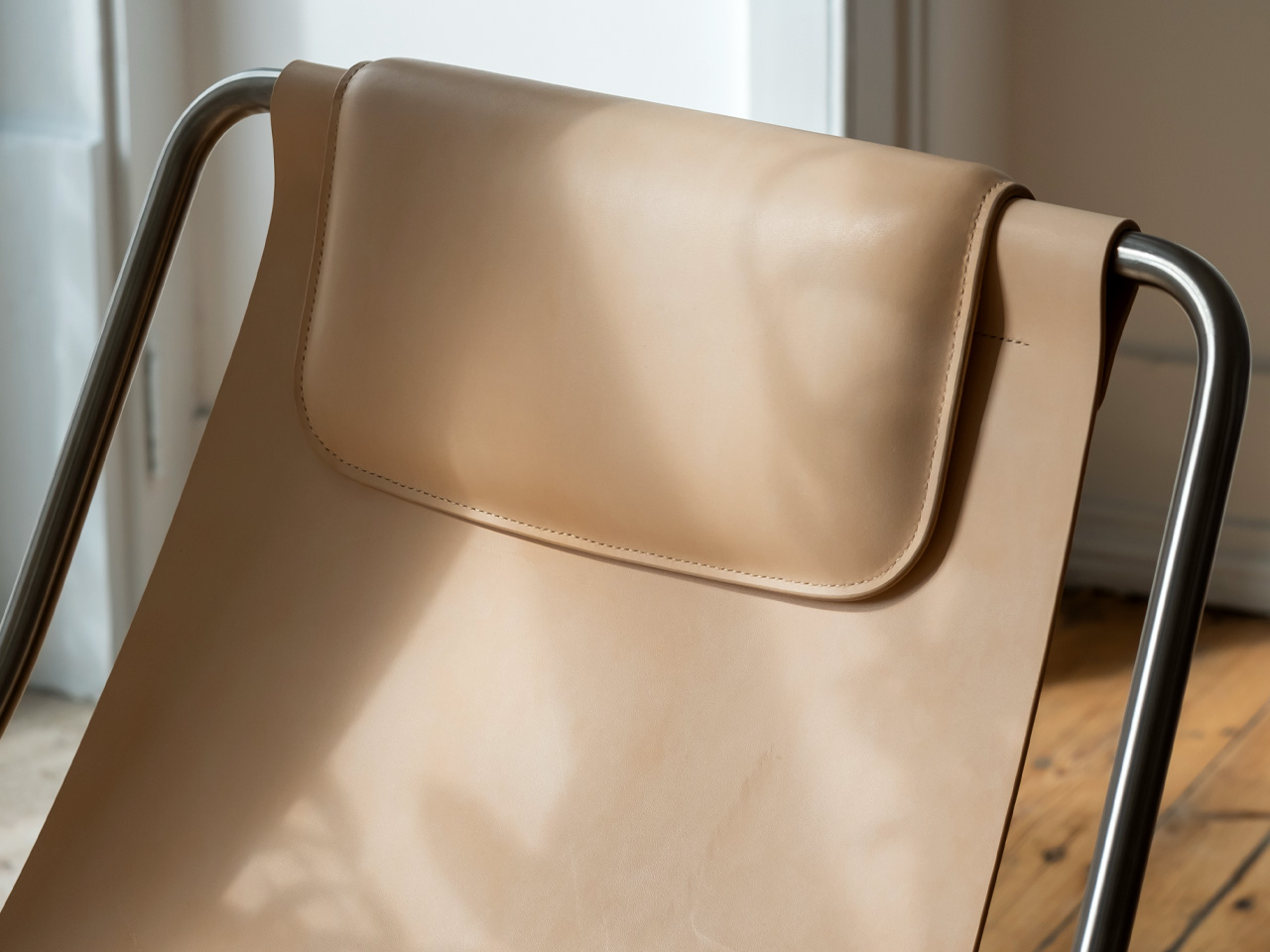
1 day agoOne Week Design's Squares Furniture Is Built on a Bricklayer's Memory - Yanko Design
The Squares collection by Xiaoya Wang and Jian Ni embodies personal memory and design restraint, creating furniture that resonates emotionally.
Design
fromYanko Design - Modern Industrial Design News
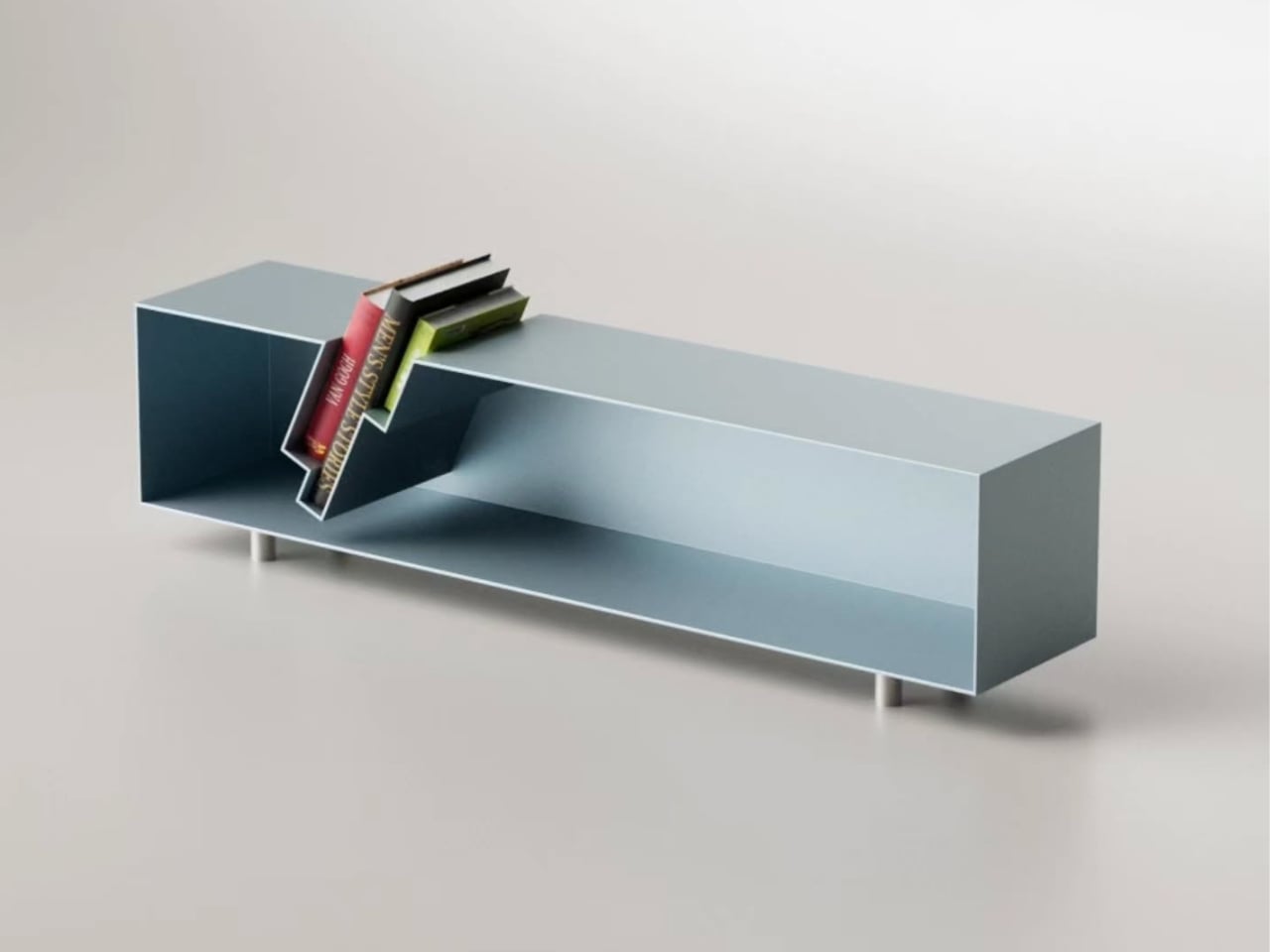
5 days agoFurniture That Borrows Its Bones From Architecture - Yanko Design
SeongJin Hwang's YY Series redefines furniture design by integrating architectural principles into its structural logic.
Graphic design
fromdesignboom | architecture & design magazine
23 hours agohiggsfield brings art-directed quality to AI image generation at production scale
Higgsfield's Soul 2.0 revolutionizes AI photo generation for the creative industry, enhancing visual quality and efficiency in producing artistic imagery.
fromdesignboom | architecture & design magazine
2 days agohow lachlan turczan reshapes matter by bending light and water in atmospheric installations
Lachlan Turczan's practice sits in the space between physics, optics, and environmental art, as he works with lasers, water, mist, and custom-built lenses to produce sculptures made entirely from light.
Berlin music


fromYanko Design - Modern Industrial Design News
3 days agoBREMEN Turns a Broom Into a Guitar and a Desk Into a Piano - Yanko Design
BREMEN is designed to change the way people interact with music by allowing everyday objects to become actual instruments, thus removing traditional barriers to music-making.
Berlin music
fromArchitectural Digest
1 day agoI'm Done Sourcing So Much Online. Here's Why
The convenience of sourcing online is fraught with more pitfalls than most of us want to admit. Try finding adequate photos of a vintage piece's condition-close-ups of the fabric, video of damaged areas, any images of a piece's rear or underside!
UX design
fromRemodelista
2 days agoKitchen of the Week: Hardware Store Finds and Thoughtful Storage for a Professional Chef - Remodelista
"The clients are a family of five who were already living in the Barcelona flat but wanted to give it new character through the redesign of the kitchen and bathrooms," says Muñoz. "Our focus was to update the spaces while maintaining continuity with the rest of the apartment, which has a lot of personality thanks to the clients."
Renovation
fromArchDaily
3 days agoThe Illusion of Lightness: Designing Civic Voids for Public Life
The original intent of pilotis was to create a sense of lightness that would allow circulation and light to flow beneath a structure, but contemporary requirements render thin columns insufficient for large-scale civic projects.
Renovation
Design
fromdesignboom | architecture & design magazine
1 day agoreversible cultural pavilion activates public space in frankfurt 2026
Spain's pavilion for World Design Capital 2026 emphasizes reversible cultural infrastructure and sustainable design through innovative materials and construction methods.
Renovation
fromYanko Design - Modern Industrial Design News
3 days agoThis Tiny House Has 30 Feet of Glass and Feels Nothing Like a Tiny House - Yanko Design
The Shoreline Glass House redefines tiny living with spacious, light-filled design and single-floor layout, offering a unique blend of comfort and openness.
fromRemodelista
5 days ago11 Design Lessons from Eileen Gray's E-1027 in Roquebrune-Cap-Martin, France - Remodelista
E-1027 is one of the most perfect examples of modernist architecture, with its hyper-functional design and nonexistent ornamentation, minimalist yet thoughtful and deeply attuned to its environment.
Renovation
Design
fromYanko Design - Modern Industrial Design News
3 days agoBiomimetic Architecture Reaches New Heights With This Bird-of-Paradise Yoga Space - Yanko Design
Thilina Liyanage's architecture translates animal gestures into functional designs, exemplified by the Rifle Bird Yogashala inspired by the Victoria's riflebird's courtship display.
Renovation
fromArchDaily
2 weeks agoTransforming a Concrete Shell into a Wooden Interior Shaped by the Sea
A Mediterranean harbor house renovation transforms a raw concrete shell into a material-driven interior that echoes maritime atmosphere through spatial organization, natural materials, and carefully controlled views of the surrounding landscape.
Design
fromYanko Design - Modern Industrial Design News
6 days ago5 Scandinavian Product Trends That Will Make Your Home Instantly Feel Like Hygge - Yanko Design
Scandinavian design emphasizes clean lines, natural materials, and functionality, creating a harmonious balance between aesthetics and practicality.
Design
fromYanko Design - Modern Industrial Design News
2 weeks agoBentu Just Built Furniture From Cities That No Longer Exist - Yanko Design
Bentu Design transforms urban demolition rubble into furniture through 3D printing, achieving 85% waste utilization while preserving the physical and cultural memory of demolished communities.
Design
fromYanko Design - Modern Industrial Design News
3 weeks agoThese Shell-Inspired Lamps Cast Wing-Like Shadows on Your Walls - Yanko Design
Pelk lamps prioritize sculptural form over functional invisibility, using shell-inspired curved metal arcs to create dramatic lighting effects and shadows that extend the fixture's visual presence.
fromdesignboom | architecture & design magazine
1 month agoindustrial components assemble glowing clock-house by drawing architecture studio in china
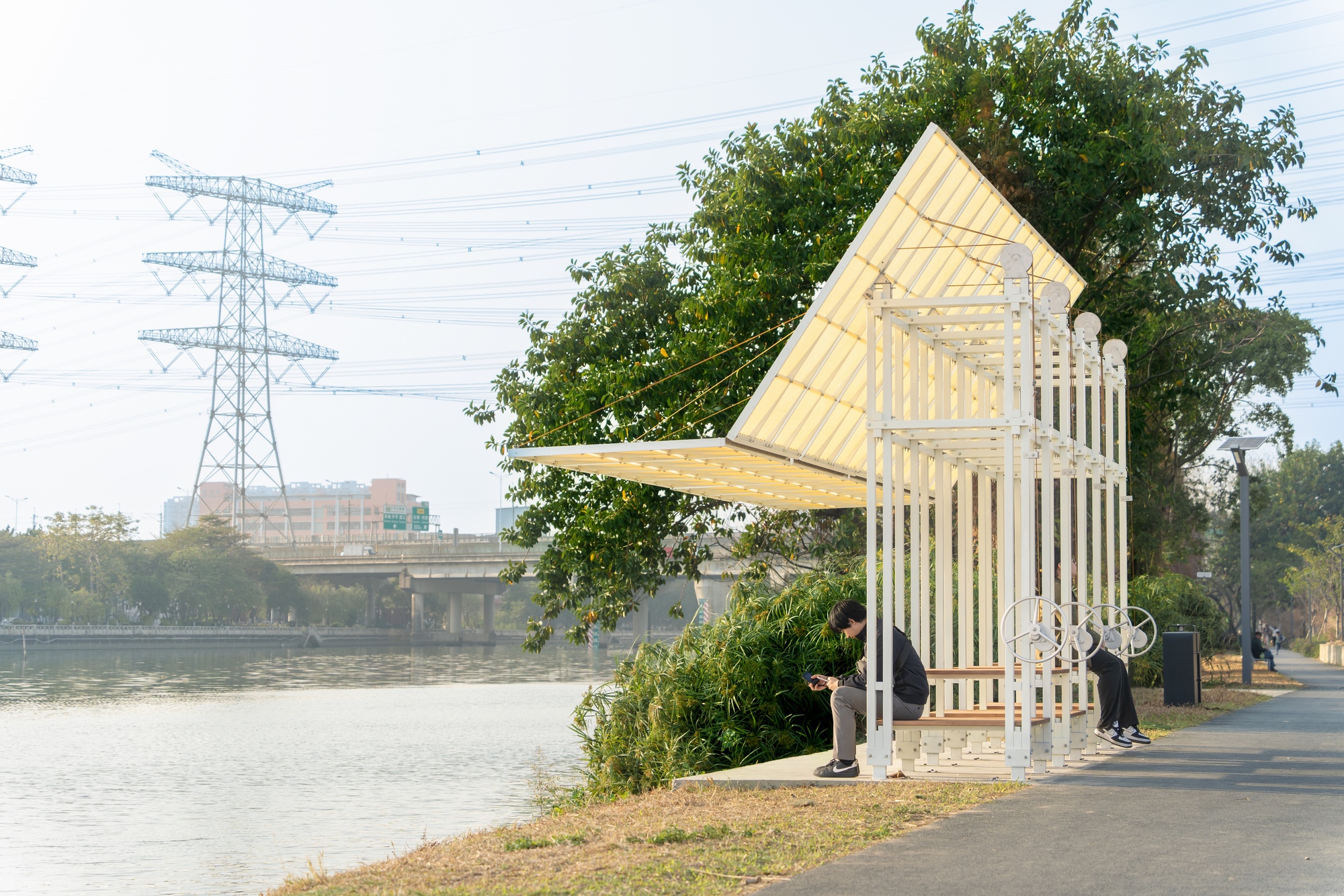
Drawing Architecture Studio presents The Clock House No.2 at the 7th Shenzhen Bay Public Art Season in Shenzhen, Guangdong Province, China, on view until April 19th, 2026. Commissioned for the public art program, the Beijing-based practice reinterprets the historical automaton clock as architecture, using low-cost industrial components to construct a structure that chimes and glows every fifteen minutes. Where the clocks once gifted to emperors represented technical virtuosity and expensive craftsmanship, this installation adopts a deliberately rough and economical construction.
Design
fromArchDaily
2 months agoFrom Industry to the Living Room: Metal Furniture in Interior Architecture
How did a material conceived for bridges, factories, and large-scale structures make its way to the living room bench, the apartment bookshelf, the café table? For centuries, metal was associated with labor, machinery, and monumentality-from the exposed structures of 19th-century World's Fairs to the productive logic of modern industry. Its presence in domestic interiors is not self-evident but rather a cultural achievement: the transformation of an industrial material into an element of everyday, intimate use, in close proximity to the body.
Design
[ Load more ]